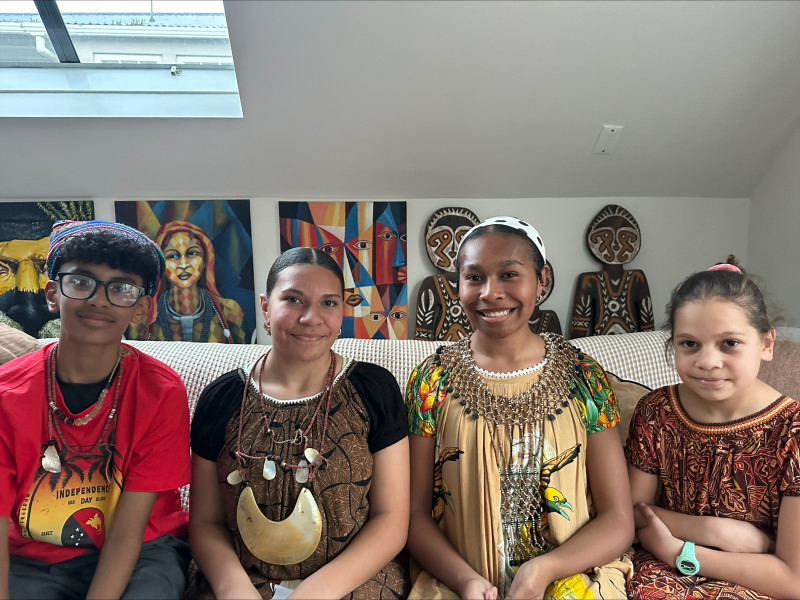
For Dhanunjay, 13, Naimah, 15, Dziewanna, 15, and Norah Jay, 10, (pictured L-R) speaking Tok Pisin is about much more than words.
It connects them to family, culture, home and the generations who came before them.
Growing up in Papua New Guinea and New Zealand, the four young members of the Wellington Papua New Guinea Community Inc are determined to keep that connection strong and ensure others in New Zealand know Papua New Guinea culture is here too.
As Tok Pisin Week begins, they reflect on the importance of holding onto the language, traditions, and connections that help shape who they are and what it means to celebrate their language and culture living in Wellington.
A connection to home
Each of the young people has their own journey with Tok Pisin. For Dhanunjay, learning the language has been a gradual process.
Dhanunjay says, “It’s kind of like a learning process. I’m understanding it with my mum and my sister. My mum speaks it around the house or when we’re at community gatherings, I’ve started to understand it.”
Naimah says, “Growing up in Papua New Guinea helped make the language a natural part of her life because that’s all my parents spoke to me and I then slowly started speaking it. Now it definitely comes more naturally.”
For Dziewanna, learning Tok Pisin was also about understanding where she came from.
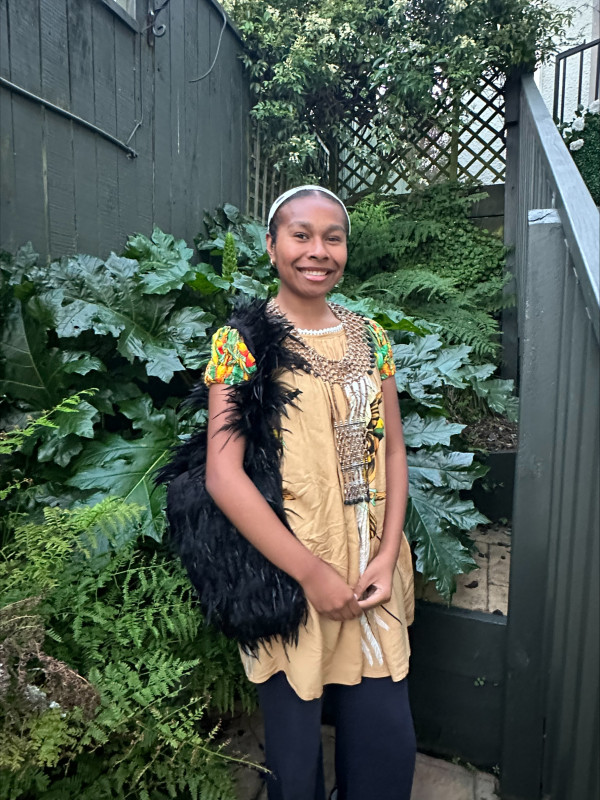
“When I was younger, my mum sent me to Papua New Guinea for one year to my family so that I could learn the culture and language and really understand where I come from.
I learned it over the course of that year because all of my family around me spoke it and I was able to teach them English,” says Dziewanna.
For the young people, however, language is about much more than communication.
Dziewanna says, “Language is absolutely important because it’s what connects you to your roots and it’s something that you can always have. No matter how far away you are from your country, your culture or your people, you’ll always carry the language. It makes you feel closer to home and closer to family.”
Finding the confidence to celebrate
For these young people, celebrating Tok Pisin Week provides a special opportunity to reconnect with their culture and community.
“It’s more like a week for me to connect with my family and connect with my culture, since I don’t live in Papua New Guinea anymore,” says Naimah.
“It’s a week where I’m just at home with my own people, speaking my own language.”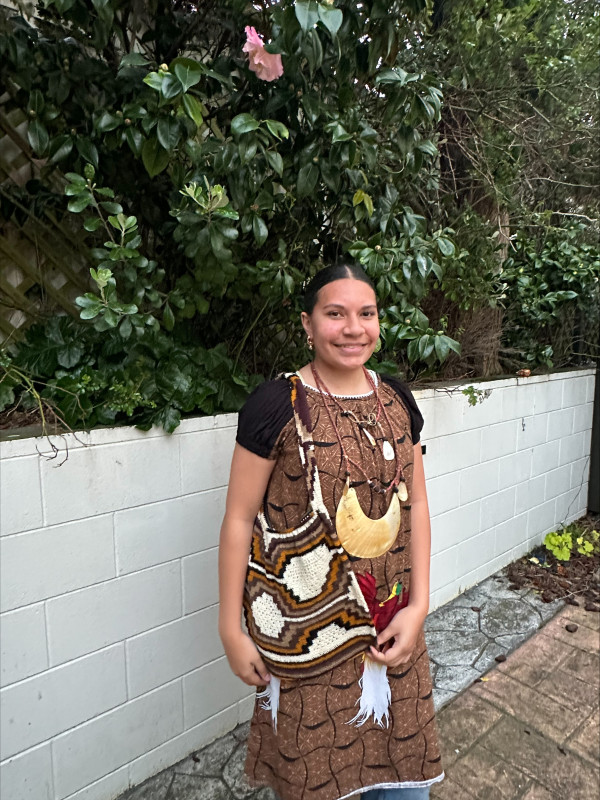
But celebrating their culture can sometimes feel challenging when there are few other Papua New Guinean students around them.
Dziewanna says she is one of the only Papua New Guinean students at her school.
“It can be hard at times to celebrate your culture and language when you’re the only one. Having a week where I can celebrate our culture, our language, our family, our traditions and the kai we eat, it’s really comforting and particularly meaningful while living and attending school in New Zealand.”
Dziewanna says the week also creates opportunities for young people to learn more about their culture and spend a lot of time with family and friends.
“I actually learn a lot because the community likes to involve the youth. It really gives me a chance to learn new things and do more things around my community,” says Dziewanna.
“We’re here too”
They all hope greater recognition of Tok Pisin and Papua New Guinea culture will encourage more people to learn about the country and its people.
Dhanunjay says, “It would be nice if more people knew what Tok Pisin was.”
“Sometimes people ask, ‘What’s that?’ If more people knew about the language, it would be a big eye-opener.”
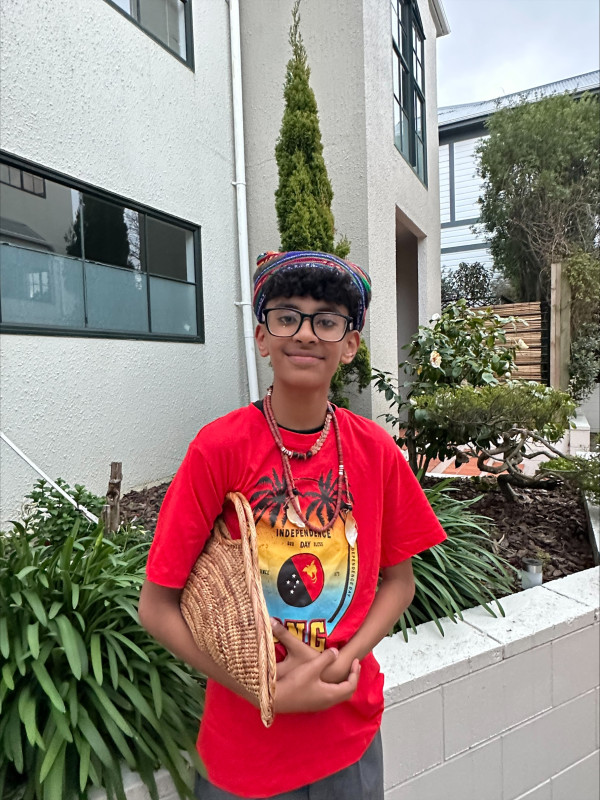
The group wants others to understand that Papua New Guinea has a rich and diverse culture that they are proud to share.
“Giving our country and our culture more recognition and putting our culture out there is really important,” says Naimah.
“We’re here too. We want to show people our culture because we are a very welcoming and loving community,” says Dziewanna.
They are already finding ways to share their culture with those around them.
Ten-year-old Norah Jay enjoys teaching her friends about Tok Pisin.
“In my class, I usually tell my friends about Tok Pisin and teach them some. That’s how I spread the word.” 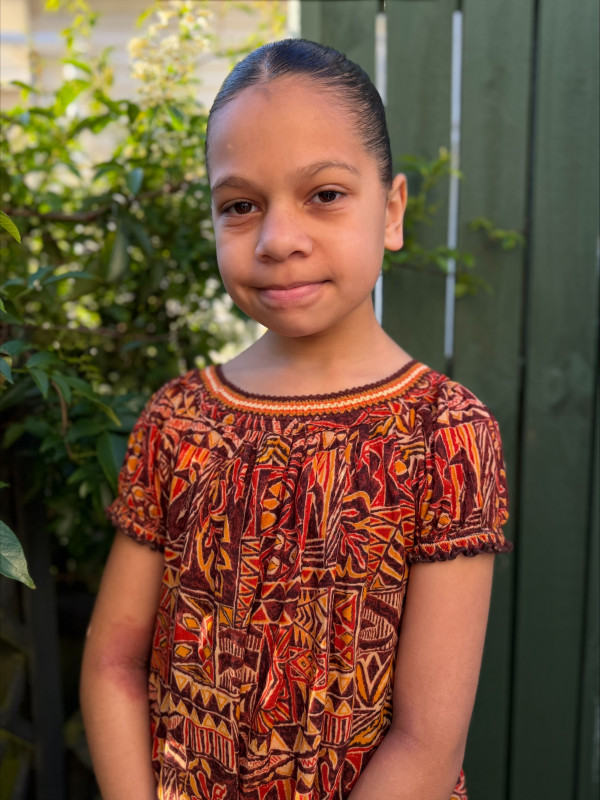
For Dziewanna, encouraging others to learn about different cultures starts with creating opportunities for people to engage with the community.
“Come to the events. Our doors are open. Come and surround yourself with the people and the community. You’ll hear us speaking and you can ask questions. We’re a very open community, and we love it when people learn about our culture,” says Dziewanna.
As they continue learning, sharing and celebrating Tok Pisin, Dhanunjay, Naimah, Dziewanna and Norah Jay are helping ensure their language and culture continue to thrive for the next generation of Papua New Guineans in New Zealand.
They are here. They are proud of who they are. And they are ready to share their culture with New Zealand.